The world of screen and media is more vibrant and visually driven than ever before. Behind every striking character transformation, every on-screen illusion, and every flawless appearance lies the artistry of skilled makeup professionals. If you’ve ever been captivated by the creativity behind film, television, theatre, or digital productions, a Diploma of Screen and Media Makeup could be your gateway into this dynamic and rewarding industry. This comprehensive guide explores what this qualification offers, the skills you’ll develop, and the exciting career pathways that await graduates ready to make their mark in the creative arts.
What Is a Diploma of Screen and Media Makeup?
A Diploma of Screen and Media Makeup is a nationally recognised qualification designed to equip aspiring makeup artists with the technical expertise and creative vision needed to work across film, television, theatre, fashion, and digital media. This hands-on course goes far beyond everyday beauty makeup, immersing students in the specialised techniques required for camera-ready looks, character creation, special effects, and prosthetics application. It’s a comprehensive training programme that blends artistry with industry-standard practices, preparing graduates to thrive in fast-paced production environments.
Overview of the Qualification
This diploma typically covers a broad curriculum that includes makeup application for different media formats, prosthetics and special effects, hair styling, character development, and workplace health and safety protocols. Students learn how to adapt their techniques for high-definition cameras, stage lighting, and various skin tones and types. The qualification emphasises both creative expression and technical precision, ensuring graduates can meet the demanding standards of professional productions. Throughout the course, students work with industry-grade products and equipment, gaining familiarity with the tools they’ll use throughout their careers.
Who This Course Is Suitable For
This qualification appeals to creative individuals with a passion for storytelling through visual transformation. Whether you’re a school leaver exploring artistic career options, someone seeking a career change into the creative industries, or a beauty therapist wanting to specialise in screen and media work, this diploma offers a structured pathway into professional makeup artistry. It’s ideal for people who love working with their hands, have an eye for detail, and enjoy collaborating with others to bring creative visions to life. No prior makeup experience is typically required, though a genuine interest in film, television, theatre, or fashion is essential.
Why Screen and Media Makeup Is a Growing Industry
The entertainment and media landscape continues to expand across multiple platforms. From blockbuster films and streaming services to theatre productions, music videos, and social media content creation, the demand for skilled makeup artists remains strong. Australia’s screen production sector has experienced significant growth, with international productions choosing Australian locations and local content creation thriving. This growth translates into more opportunities for qualified makeup artists who can deliver professional results under pressure. Additionally, the rise of high-definition and 4K filming has elevated the importance of precise, camera-ready makeup techniques, making formal training more valuable than ever.
Essential Skills You’ll Learn in a Screen and Media Makeup Course
A Diploma of Screen and Media Makeup develops a comprehensive skill set that combines artistic creativity with technical mastery. Students progress from foundational techniques to advanced applications, building confidence through regular practice and expert guidance.
Makeup Fundamentals for Camera and Stage
Understanding how makeup translates on camera and under stage lighting forms the foundation of screen and media artistry. Students learn colour theory, skin preparation, contouring and highlighting techniques, and how to create looks that maintain their integrity under various lighting conditions. The course covers makeup application for different age groups, genders, and ethnicities, teaching students to work respectfully and skilfully with diverse clients. You’ll discover how high-definition cameras capture every detail and learn techniques to create flawless finishes that look natural on screen whilst achieving the desired dramatic or subtle effects.
Special Effects (SFX) and Prosthetics Techniques
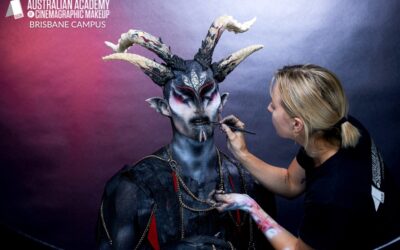
Special effects makeup opens up exciting creative possibilities, from ageing characters and creating realistic wounds to crafting fantastical creatures and period-accurate looks. Students explore prosthetic application, including foam latex pieces, gelatine effects, and silicone appliances. You’ll learn mould-making basics, colouring and painting techniques, and how to blend prosthetics seamlessly with natural skin. These skills are highly sought after in film and television production, where transforming actors into believable characters is essential to storytelling. The course also covers safety considerations when working with adhesives, solvents, and other specialised products.
Hair Styling for Screen and Media Productions
Makeup artists in screen and media often need complementary hair styling skills. The diploma includes training in period hairstyles, wig application and styling, hair colouring techniques for camera, and creating looks that support character development. Students learn to work with various hair types and textures, understanding how different styles photograph and how to maintain continuity throughout long shooting days. This dual skill set makes graduates more versatile and employable across different production types.
Creative and Concept Design Skills
Beyond technical application, successful makeup artists must think creatively and translate concepts into reality. The course encourages students to develop their artistic voice through character analysis, mood board creation, research into historical and cultural references, and collaborative concept development with directors and costume designers. You’ll learn to interpret scripts, understand character motivations, and design makeup looks that enhance storytelling whilst respecting the overall visual aesthetic of a production.
Health, Safety and Professional Practice in Makeup Artistry
Professional makeup artists must maintain high standards of hygiene and workplace safety. The diploma covers infection control procedures, proper sanitisation of tools and workspaces, safe handling and disposal of products and materials, and understanding of workplace health and safety regulations. Students also learn professional conduct, time management, client communication, and the business aspects of working as a freelance makeup artist. These practical skills ensure graduates can work safely and professionally from day one.
Course Structure and What to Expect During Training
A Diploma of Screen and Media Makeup emphasises practical, hands-on learning that mirrors real industry conditions. Students spend significant time in studios and workshops, developing their skills through repeated practice and constructive feedback.
Studio-Based Practical Training
Most of your learning occurs in purpose-built makeup studios equipped with professional lighting, mirrors, workstations, and industry-standard products. These environments replicate actual production conditions, allowing students to become comfortable with the tools, pace, and expectations of professional work. Practical assessments often involve timed applications, demonstrating your ability to work efficiently whilst maintaining quality standards.
Learning Through Realistic Industry Scenarios
Training incorporates simulated production scenarios where students work to briefs, deadlines, and creative directions. These exercises teach you to respond to feedback, adapt designs based on production needs, and troubleshoot problems that arise during application. You’ll experience the collaboration and communication required on actual sets, preparing you for the realities of professional practice.
Collaboration With Photographers, Actors and Creatives
Successful makeup artistry requires strong interpersonal skills and the ability to work as part of a creative team. Throughout the diploma, students collaborate with photographers, actors, models, and fellow students in other creative disciplines. These collaborations provide valuable experience in professional communication, understanding different perspectives, and contributing positively to group projects. Many courses facilitate industry connections through guest speakers, workshops with working professionals, and networking opportunities.
Portfolio Development and Assessment Projects
Building a professional portfolio is integral to the diploma. Students document their work through high-quality photography, creating a visual record of their developing skills and creative range. Assessment projects often culminate in portfolio pieces that demonstrate technical proficiency across various makeup styles. Your portfolio becomes your most important tool when seeking employment or freelance opportunities, showcasing your capabilities to potential clients and employers.
Career Pathways After a Diploma of Screen and Media Makeup
Graduating with a Diploma of Screen and Media Makeup opens doors to diverse and exciting career opportunities across multiple creative industries.
Film and Television Makeup Artist
Working in film and television production represents a primary career pathway for diploma graduates. Makeup artists collaborate with directors, costume designers, and actors to create looks that support storytelling and character development. Roles range from daily continuity makeup on long-running television series to transformative character work on feature films. The work can be fast-paced and demanding, often involving early call times and long days, but offers immense creative satisfaction and the opportunity to see your work on screen.
Theatre and Live Performance Makeup Roles
Theatre productions require makeup artists who understand how looks translate under stage lighting and from audience distances. Working in theatre offers the excitement of live performance, the challenge of quick changes between scenes, and the opportunity to work on classical productions, contemporary works, musicals, and experimental performances. Many theatre makeup artists work with established companies or freelance across multiple productions.
Special Effects and Prosthetic Artist
For those particularly drawn to transformative and creature work, specialising in special effects and prosthetics offers a niche but highly rewarding career path. These artists work on horror films, science fiction productions, fantasy series, and any project requiring ageing, injuries, or non-human characters. The work is technically demanding and requires continued skill development, but specialists in this area are highly valued and well compensated for their expertise.
Fashion, Editorial, and Runway Makeup
The fashion industry provides opportunities for makeup artists to work on photo shoots, runway shows, advertising campaigns, and editorial content. This pathway emphasises trend awareness, artistic expression, and the ability to create bold, camera-ready looks quickly. Fashion makeup artists often work freelance, building relationships with photographers, models, stylists, and fashion houses. The work varies from commercial beauty campaigns to avant-garde editorial projects.
Freelance Opportunities and Building Your Own Brand
Many makeup artists choose the flexibility and variety of freelance work, building their own client base and brand. Freelancing allows you to work across different sectors, choose projects that align with your interests, and set your own rates and schedule. Success as a freelancer requires strong business skills, marketing savvy, and the ability to network effectively. Social media has become an essential tool for freelance makeup artists to showcase their work, attract clients, and build their professional reputation.
Industry Insights: What Employers Look For
Understanding what production companies, studios, and creative agencies value helps aspiring makeup artists focus their development and present themselves professionally.
Creativity and Adaptability on Set
Employers seek makeup artists who bring creative solutions whilst remaining flexible when circumstances change. Productions rarely go exactly to plan, and the ability to adapt quickly to new directions, work with different personalities, and solve problems creatively makes you an invaluable team member. Demonstrating openness to feedback and willingness to collaborate strengthens your professional reputation.
Strong Communication and Teamwork Skills
Makeup artists work closely with actors, directors, costume designers, hair stylists, and numerous other creative professionals. Clear communication, active listening, and positive collaboration are essential. Employers value artists who can discuss concepts professionally, explain their choices clearly, and contribute constructively to the creative process whilst respecting the overall vision and hierarchy of a production.
Technical Precision for HD and Digital Filming
With ultra-high-definition cameras now standard across productions, technical precision has never been more important. Employers need makeup artists who understand how different products, techniques, and finishes appear on camera, who can work quickly without sacrificing quality, and who maintain continuity throughout long shooting schedules. Demonstrating meticulous attention to detail and up-to-date technical knowledge makes you more employable.
Building a Professional Portfolio
Your portfolio speaks volumes about your capabilities, style, and professionalism. Employers look for portfolios that demonstrate versatility, technical skill, creativity, and an understanding of different makeup styles and genres. High-quality photography, clear organisation, and documentation that shows both finished looks and application processes help employers assess your suitability for specific projects. Continuously updating your portfolio with new work and techniques keeps you competitive.
How to Know if a Makeup Diploma Is Right for You
Choosing to pursue a Diploma of Screen and Media Makeup is an important decision that requires honest self-assessment of your interests, strengths, and career aspirations.
The Personality Traits of Successful Makeup Artists
Successful makeup artists typically share certain characteristics: patience and attention to detail, creativity and artistic vision, strong interpersonal and communication skills, flexibility and problem-solving abilities, physical stamina for long days and repetitive work, and genuine passion for the craft. If you recognise these traits in yourself and enjoy working in collaborative, fast-paced environments where no two days are identical, this career pathway may suit you well.
Your Interest in Creative Industries
A genuine love for film, television, theatre, or fashion forms the foundation of a satisfying career in makeup artistry. If you find yourself analysing makeup in productions, admiring character transformations, and imagining how you might create similar effects, you likely have the intrinsic motivation needed to succeed. This industry rewards people who view their work as both craft and art, who continue learning throughout their careers, and who stay inspired by the ever-evolving creative landscape.
Willingness to Learn Hands-On and Practice Often
Makeup artistry is a practical skill that improves through repetition and experience. Success in this diploma and subsequent career requires commitment to hands-on practice, openness to constructive criticism, and dedication to refining your techniques. If you enjoy learning by doing, appreciate immediate tangible results from your efforts, and find satisfaction in progressive skill development, you’ll thrive in this training environment.
Conclusion
A Diploma of Screen and Media Makeup offers aspiring artists a comprehensive pathway into the exciting worlds of film, television, theatre, and fashion. Through practical training, industry-relevant skills development, and creative exploration, this qualification prepares you to transform your passion for makeup into a fulfilling professional career. Whether you dream of working on major film productions, creating fantastical creatures through special effects, or bringing fashion visions to life on runways and editorial shoots, this diploma provides the technical foundation and creative confidence to pursue your ambitions. The screen and media industry continues to grow and evolve, creating ongoing demand for skilled, professional makeup artists who can deliver exceptional work under pressure. If you’re ready to combine artistic expression with technical precision, explore training options, connect with creative communities, and take your first step towards an exciting career that brings stories and characters to vivid life.